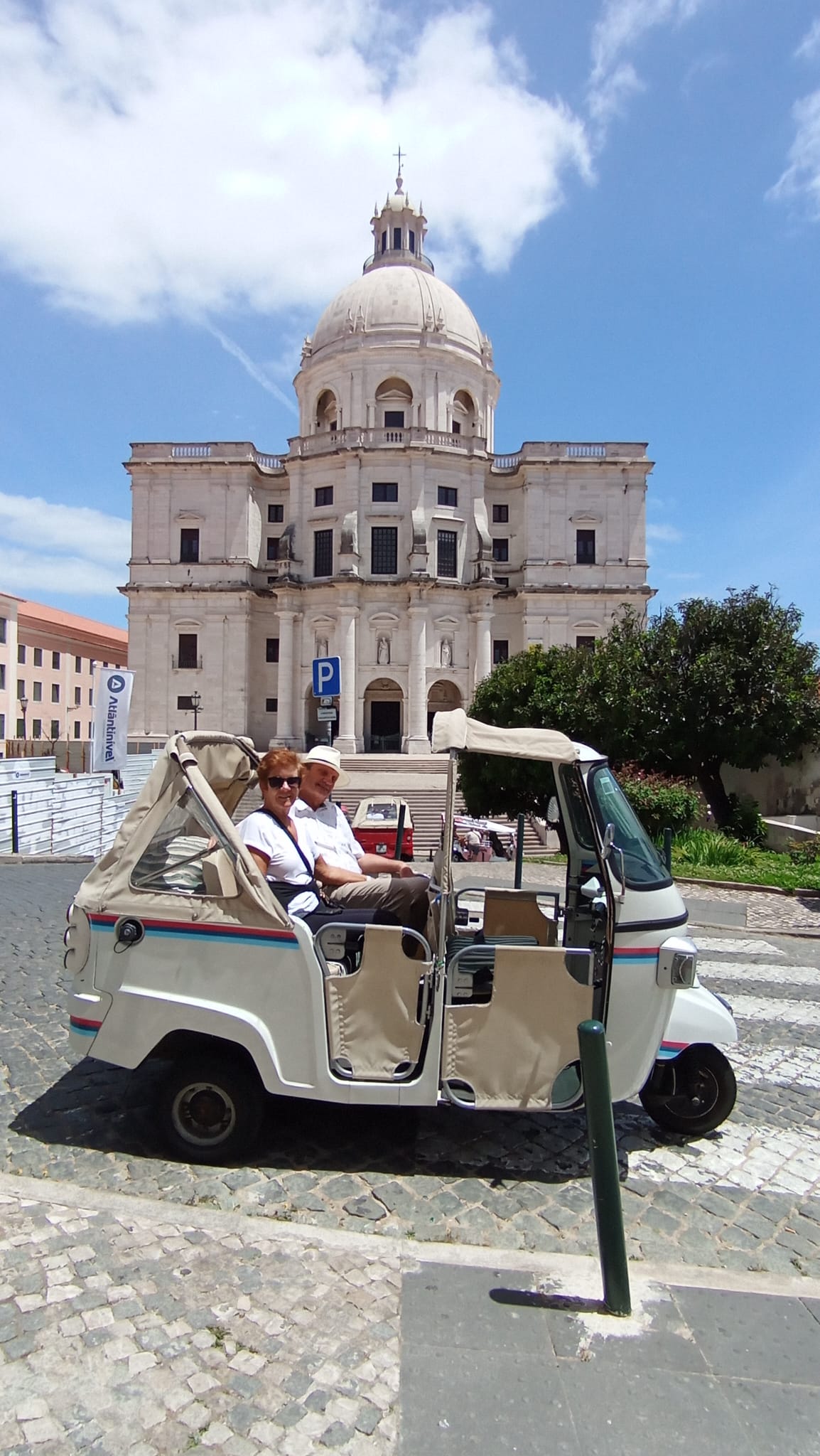

A brief resume about Lisbon's rich history
Few European capitals have experienced as many transformations as Lisbon. Standing on the banks of the Tagus River, where it meets the Atlantic Ocean, the city has served as a trading port, imperial capital, maritime powerhouse, and modern cultural destination. Every neighborhood tells a different chapter of its story, making Lisbon one of Europe's most fascinating historical cities.
Ancient Origins
Long before Portugal existed, the area that would become Lisbon was inhabited by Celtic peoples. Around the first millennium BC, Phoenician merchants established trading posts along the Tagus estuary, attracted by its sheltered natural harbor. They called the settlement Alis Ubbo, often interpreted as "safe harbor," reflecting the strategic importance of the location.
The Romans conquered the region in the 2nd century BC and developed the city under the name Olisipo. They built roads, baths, theaters, temples, and an advanced water supply system. Thanks to its thriving production of salted fish and garum—a fermented fish sauce prized across the Roman Empire—Olisipo became one of the most prosperous cities in the western Iberian Peninsula. You can see great images and animations of the roman city of Olisipo in Lisboa Romana website.
The Moorish City
Following the collapse of Roman authority, Lisbon passed through Visigothic rule before being conquered by Muslim forces in 714 AD. For more than four centuries, Lisbon flourished as al-Ushbuna, an important Islamic city known for its trade, agriculture, and scholarship.
The Moors introduced sophisticated irrigation systems, new crops such as citrus fruits and almonds, and distinctive architectural styles. Narrow winding streets, whitewashed houses, and hilltop fortifications became defining characteristics of the city. Even today, the labyrinthine streets of Alfama preserve much of this medieval urban layout.
The Christian Reconquest
A decisive turning point came in 1147, when King Afonso Henriques, aided by northern European Crusaders en route to the Holy Land, captured Lisbon after a lengthy siege. The conquest established Lisbon as one of the principal cities of the emerging Kingdom of Portugal.
Over the following centuries, churches, monasteries, and defensive walls reshaped the city's skyline. In 1255, Lisbon officially became the capital of Portugal, replacing Coimbra. Its excellent harbor and growing commercial importance would soon place it at the center of world history.
The Age of Discovery
The 15th and 16th centuries marked Lisbon's Golden Age. Portuguese navigators, sponsored by Prince Henry the Navigator and later by the Portuguese Crown, launched expeditions that transformed global trade and geography.
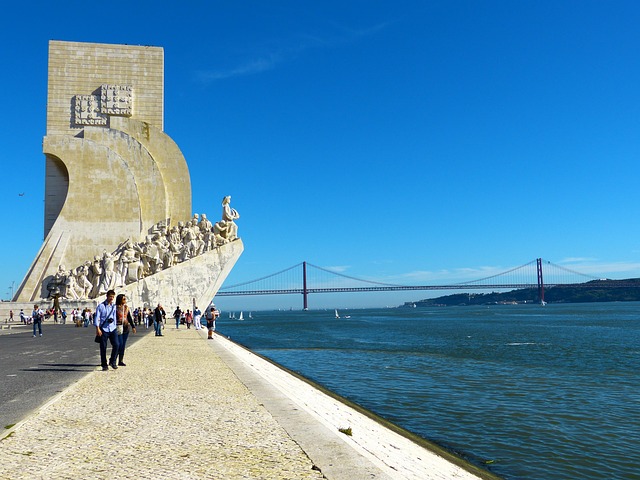
Explorers such as Bartolomeu Dias, Vasco da Gama, Pedro Álvares Cabral, and Fernão de Magalhães (Magellan) departed from or returned to Lisbon, opening sea routes to Africa, India, Brazil, and beyond. Wealth from the spice trade poured into the city, financing magnificent monuments like the Jerónimos Monastery and the Belém Tower, masterpieces of the unique Manueline architectural style.
During this period, Lisbon became one of the largest and wealthiest cities in Europe, attracting merchants, diplomats, artists, and scholars from across the world.
The Great Earthquake of 1755
On the morning of November 1, 1755, Lisbon suffered one of the most devastating natural disasters in European history. A powerful earthquake, followed by a tsunami and widespread fires, destroyed much of the medieval city and claimed tens of thousands of lives.
The reconstruction was led by Sebastião José de Carvalho e Melo, better known as the Marquis of Pombal. Instead of rebuilding the old maze of streets, he introduced a rational urban plan featuring wide avenues, elegant squares, and one of the world's earliest examples of earthquake-resistant construction.
Today's Baixa Pombalina remains one of the finest examples of Enlightenment urban planning anywhere in Europe.
Lisbon in Modern Times
Throughout the 19th and 20th centuries, Lisbon expanded beyond its medieval hills. New neighborhoods, railways, grand avenues, and public squares reflected the city's modernization while preserving its historical identity.
The peaceful Carnation Revolution of April 25, 1974, ended decades of dictatorship and restored democracy to Portugal. Today, reminders of that historic event coexist alongside monuments from every previous era.
Major urban renewal projects, including Expo '98 and the creation of the modern Parque das Nações district, demonstrated Lisbon's ability to embrace innovation while celebrating its rich heritage.
A Living History
Walking through Lisbon is like exploring an open-air museum. Roman ruins lie beneath modern buildings. Medieval alleys lead to Gothic churches. Manueline monuments celebrate the Age of Discovery, while elegant Pombaline streets showcase Enlightenment ideals.
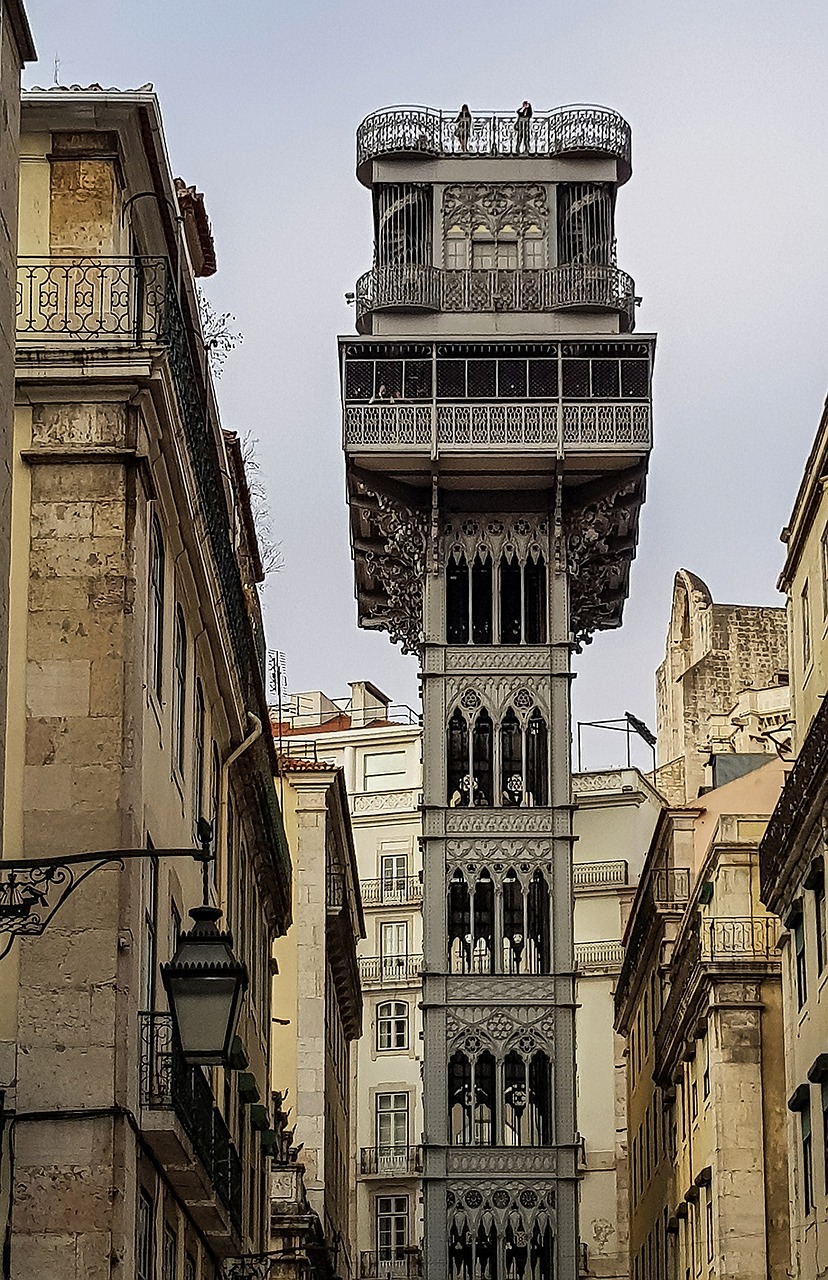
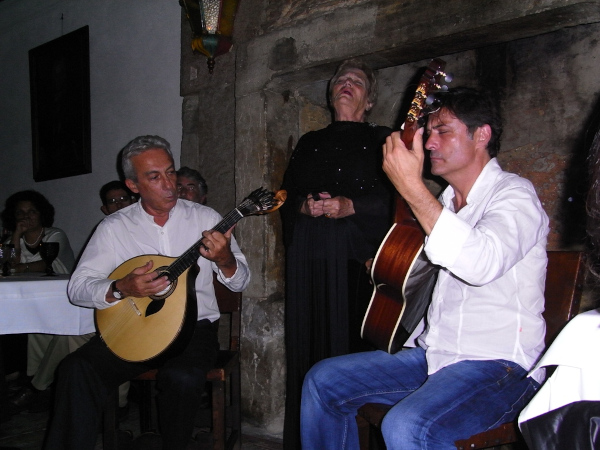
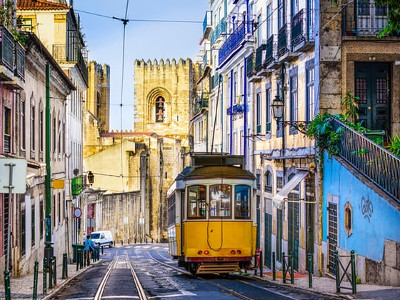
Yet Lisbon is far from a city frozen in time. Its historic trams, vibrant neighborhoods, world-famous cuisine, traditional Fado music, and thriving cultural scene create a unique blend of past and present.
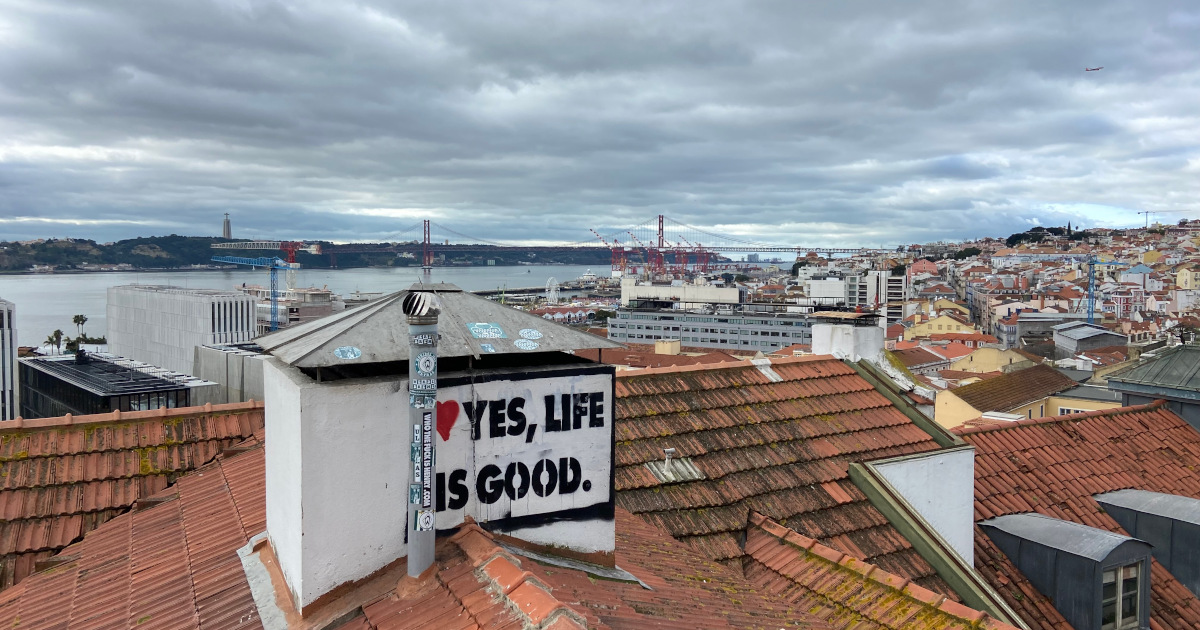
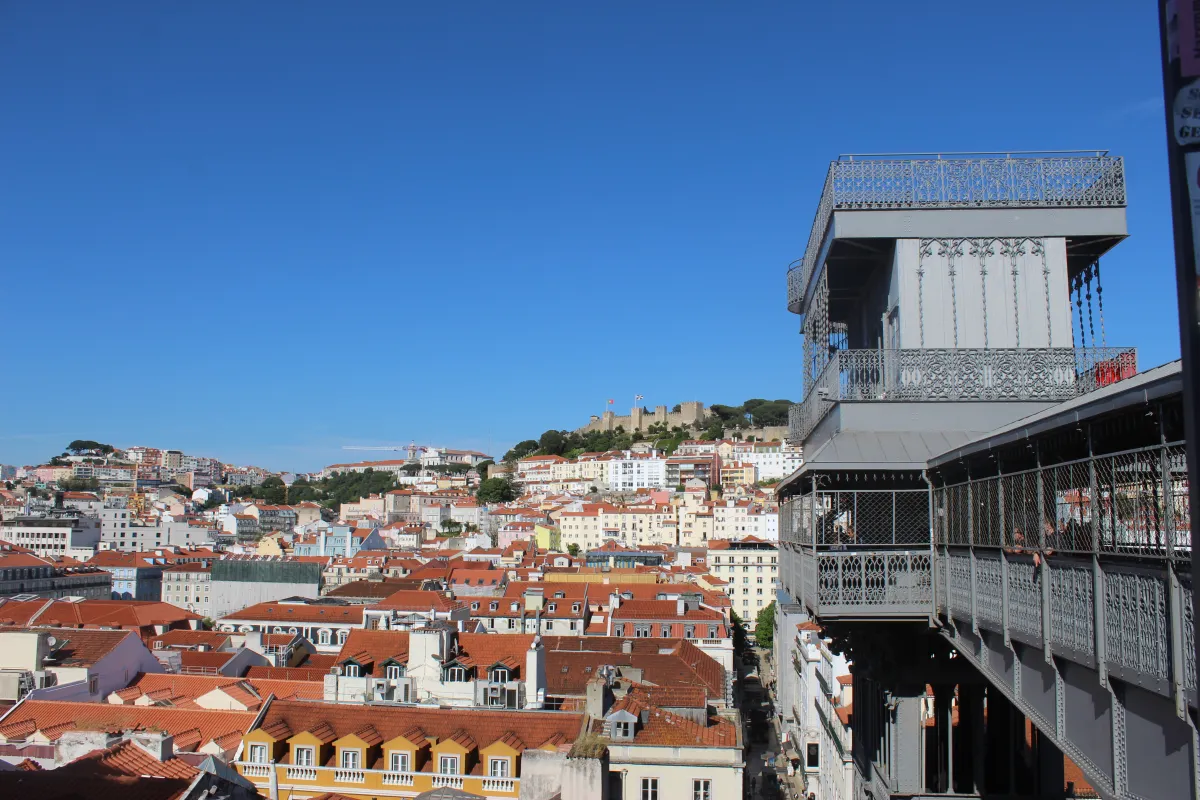
Whether you're wandering through Alfama, admiring the monumental waterfront of Belém, or enjoying panoramic views from one of the city's famous miradouros, every corner of Lisbon reveals another layer of a story that has unfolded over more than two millennia. That remarkable continuity is what makes Portugal's capital one of Europe's most rewarding destinations to discover.